
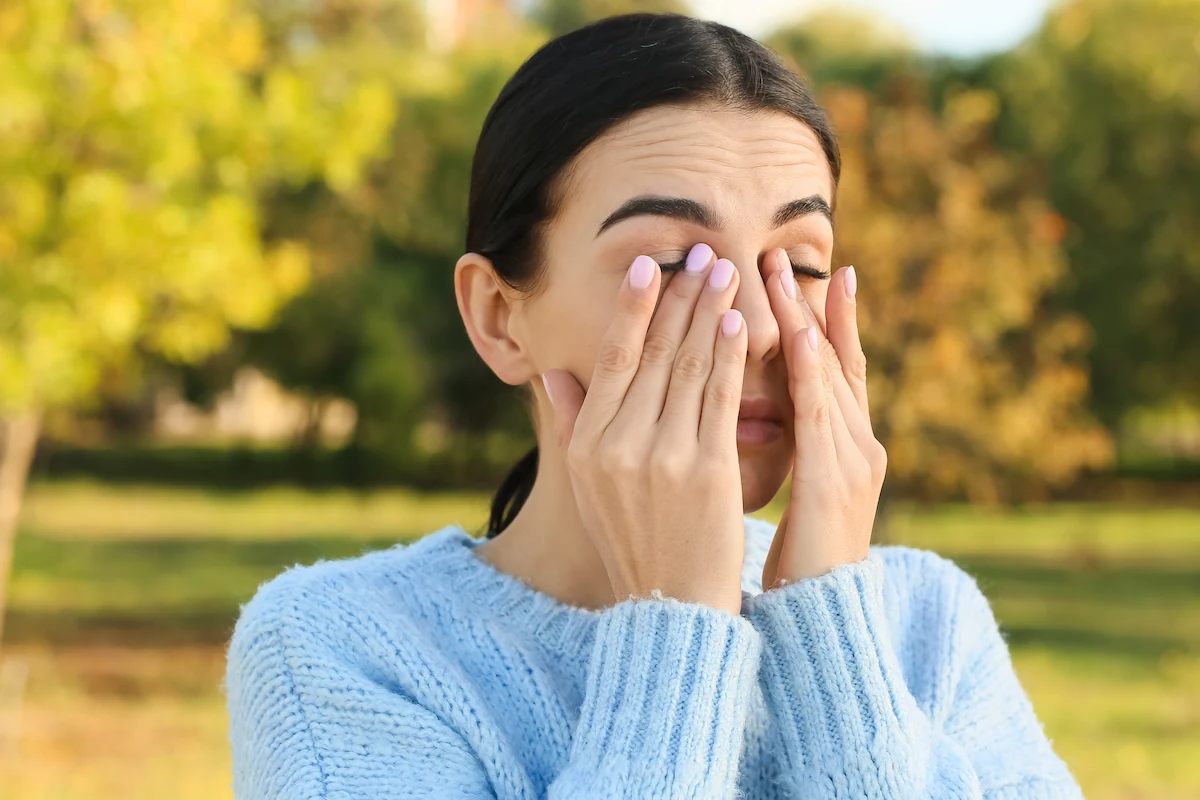
Itchy, red, watery, or irritated eyes can make everyday tasks uncomfortable. While these symptoms are common during allergy season, they can also be signs of dry eye. Because dry eye and allergies can feel similar at first, it is not always easy to tell what is causing your discomfort.
We provide dry eye treatment to help patients identify the source of their symptoms and find relief that fits their needs.
What Are the Most Common Dry Eye Symptoms?
Dry eye occurs when your eyes do not produce enough tears or when the tears do not adequately lubricate the surface of the eye. It can be caused by factors such as screen use, aging, certain medications, contact lens wear, health conditions, environmental conditions, or poor tear quality.
Common dry eye symptoms include:
- Burning, stinging, or scratchy eyes
- A gritty sensation, as though something is in your eye
- Redness or blurred vision
- Sensitivity to light
- Eye fatigue, especially after reading or using a screen
- Watery eyes, which can occur when your eyes try to compensate for irritation
Dry eye symptoms may become more noticeable later in the day, in air-conditioned or windy environments, or after extended screen time.
How Do Eye Allergy Symptoms Differ?
Eye allergies occur when your immune system reacts to an allergen, such as pollen, pet dander, dust, or mold. Unlike dry eye, allergies are often closely tied to seasonal changes or exposure to a specific trigger.
Itching is one of the strongest signs that allergies may be involved. Other common symptoms include:
- Intense itching
- Watery or swollen eyes
- Redness
- A clear, watery discharge
- Sneezing, congestion, or a runny nose
- Symptoms that worsen outdoors or around allergens
Both allergies and dry eye can cause redness and watering, but allergies are more likely to cause persistent itching and occur alongside other allergy symptoms.
Can You Have Dry Eye and Allergies at the Same Time?
Yes. Allergies can irritate the eyes and worsen dry eye symptoms, while frequent eye rubbing can further increase inflammation and discomfort. Some over-the-counter allergy medications may also contribute to dryness.
That overlap is why it is important not to assume that every itchy or irritated eye is caused by allergies alone. Using the wrong drops or treatment approach may provide only temporary relief while the underlying issue continues.
When Should You Schedule an Eye Exam?
If eye irritation is ongoing, affects your vision, or does not improve with basic at-home care, an eye exam can help determine whether dry eye, allergies, or another condition is causing your symptoms.
During a comprehensive eye exam, our team can evaluate your eye health, discuss your symptoms and lifestyle, and recommend the right next steps. Treatment may include lifestyle changes, specialty eye drops, allergy management strategies, or personalized dry eye care.
Find Lasting Relief for Irritated Eyes
You do not have to live with burning, itchy, watery, or tired eyes. Understanding what is behind your symptoms is the first step toward more comfortable vision. If you are unsure whether dry eye or allergies are affecting your eyes, schedule an appointment with our team for personalized guidance and care.