
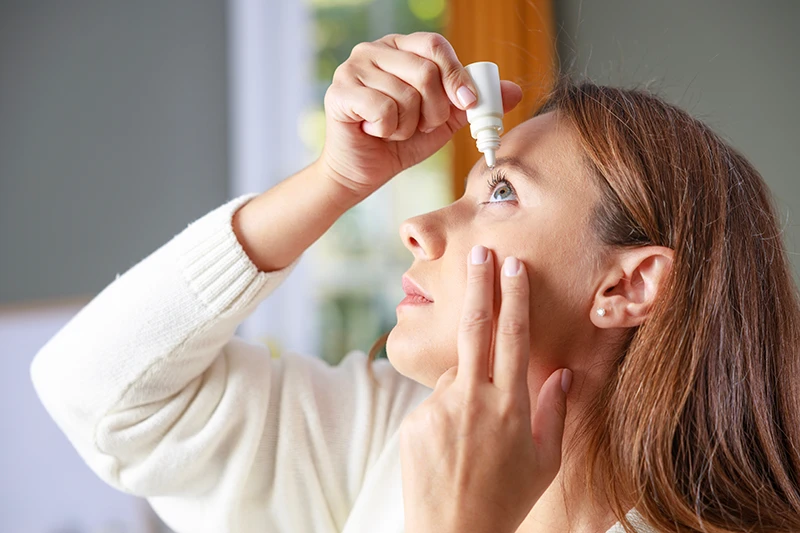
If your eyes feel dry, irritated, red, or gritty on a regular basis, artificial tears might offer quick relief, but not lasting comfort.
At Prairie Vista Eye & Optical, conversations about ongoing irritation are common during visits with our experienced eye doctors in Liberal. Through a personalized approach that includes in-office dry eye treatment, we focus on helping patients understand what’s driving their symptoms, not just temporarily masking them.
In this blog, we cover why over-the-counter drops often fall short for chronic dry eye and what options can provide more meaningful, long-term improvement in daily comfort.
Why dry eye drops aren’t working
Artificial tears are designed to temporarily add moisture to the surface of the eye. For occasional dryness, like after a long day or time in dry air, they can help. But chronic dry eye is often more complex than just a lack of tears.
When symptoms keep returning, it’s often because the underlying issue hasn’t been addressed.
Artificial tears may not be enough when you notice:
- Symptoms return shortly after using eye drops
- Persistent redness or irritation throughout the day
- Burning or stinging sensations that don’t fully resolve
- Eyes feeling tired even after rest
- Fluctuating comfort that changes hour to hour
In these situations, the surface of the eye is usually dealing with more than temporary dryness.
Common causes of chronic dry eye
Dry eye is not one single condition—it can develop from multiple sources that affect tear quality, production, or stability.
Common contributors include:
- Meibomian gland dysfunction (blocked oil glands)
- Reduced tear production
- Screen use that decreases blinking
- Environmental factors like wind or indoor heating
- Contact lens wear that disrupts tear balance
- Age-related changes in tear film stability
During a comprehensive eye exam, we consider all the factors that might be contributing to your symptoms, especially when over-the-counter drops are no longer giving you the relief you need.
How dry eye affects everyday life
Chronic dryness doesn’t just cause discomfort—it can influence how you go about your day without you fully realizing it.
People often notice:
- Difficulty focusing during reading or computer work
- Eyes feeling heavy or tired earlier in the day
- Increased sensitivity to wind or air conditioning
- Redness that becomes more noticeable in the evening
- Fluctuating vision that improves after blinking
Dryness can also make it more difficult to wear contact lenses, with lenses that used to feel fine suddenly becoming harder to tolerate throughout the day. We can discuss these symptoms during a contact lens exam and see whether a different lens type or approach could improve your comfort.
What dry eye treatment can involve beyond eye drops
When artificial tears aren’t enough, targeted care can help improve tear quality and eye surface health.
A personalized dry eye treatment plan may include:
- Evaluating tear film quality and gland function
- Addressing inflammation on the eye surface
- Improving oil gland function in the eyelids
- Adjusting contact lens wear habits if needed
- Recommending supportive at-home care routines
- In-office options like LipiFlow® treatment to help unclog oil glands when meibomian gland dysfunction is contributing to symptoms
We will recommend a custom treatment plan during your eye exam, where we look at the full picture of eye health rather than just surface symptoms.
Finding lasting comfort for dry, irritated eyes
Chronic dry eye can be frustrating to deal with, especially when quick fixes stop working the way they used to. Real improvement often comes from understanding what’s causing the imbalance in the first place and addressing it directly.
At Prairie Vista Eye & Optical, we take the time to connect symptoms with underlying causes so treatment can move beyond temporary relief and toward more consistent comfort.
Schedule an appointment today to explore dry eye treatment options that go beyond artificial tears and support healthier, more comfortable vision.